NEV Electric and Nigeria’s Emerging Electric Bus Supply Chain
By Patrick Egbuchua · · Technology
NEV Electric and Nigeria’s Emerging Electric Bus Supply Chain Nigeria has a large public-transport market, an automotive industry that has depended heavily on…
NEV Electric and Nigeria’s Emerging Electric Bus Supply Chain
Nigeria has a large public-transport market, an automotive industry that has depended heavily on imported vehicles, and a growing policy interest in electric transportation. At the same time, electricity supply remains unreliable and much of the technology used in electric vehicles is still imported. That makes local EV assembly more complicated than just putting a battery-powered vehicle on a Nigerian production line.
NEV Electric, founded by Mosope Olaosebikan, is one of the companies attempting to do it. The company is based in Abuja and has focused mainly on buses, while also developing charging infrastructure, financing and training programmes on electric mobility. The company’s own account of its operations describes a factory with a production capacity of 500 vehicles a month and more than 85% locally sourced components. It also says its vehicles are designed for African road conditions and that it has developed charging and financing services alongside vehicle production.
NEV separately told the News Agency of Nigeria in 2025 that its electric buses contained 30% local content, including Nigerian components, materials and labour, with a target of 70% as domestic supply chains develop.
The company had assembled more than 120 buses in Nigeria at the time and planned to increase production to 300 in its next phase.

Source: NEV Electric
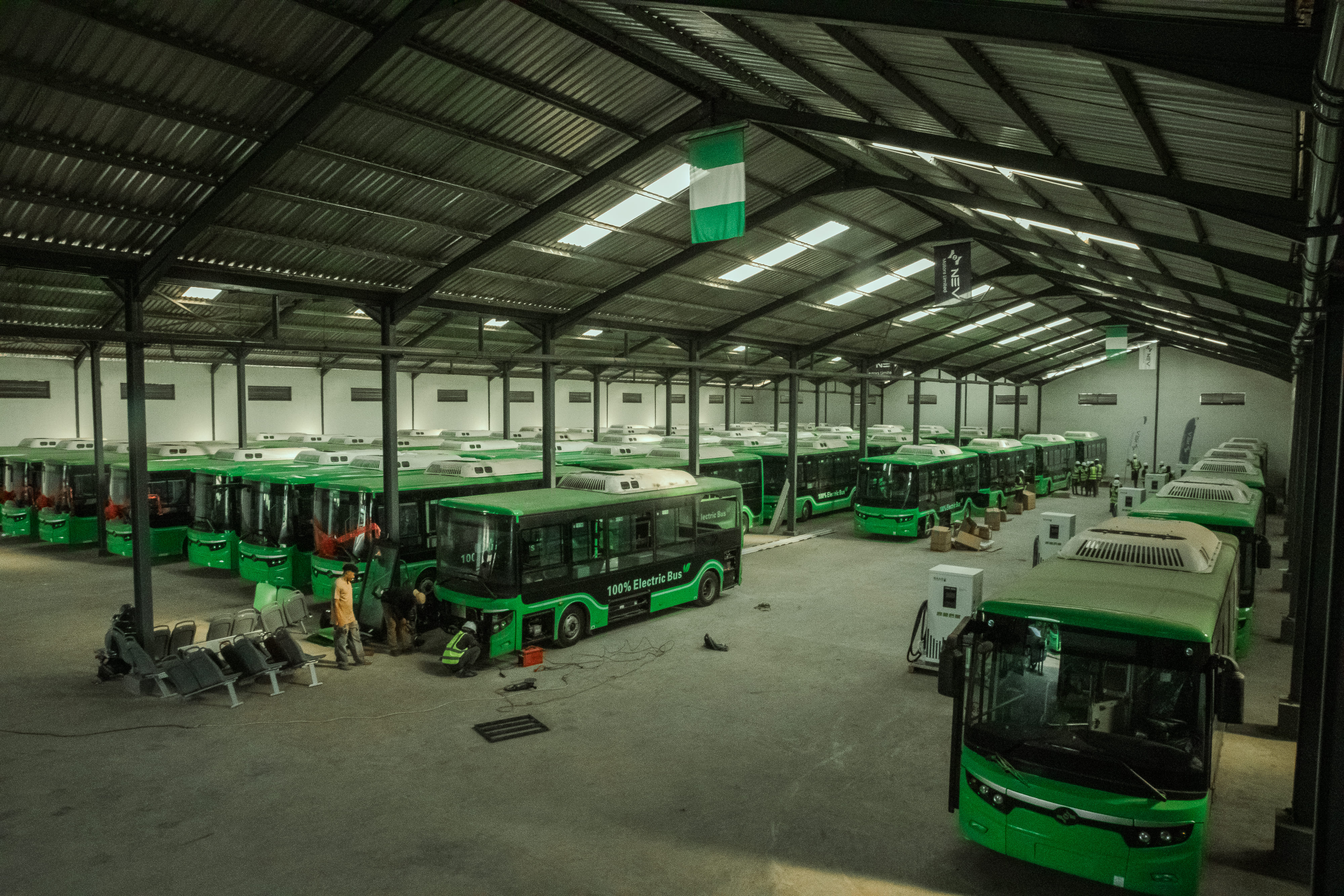
The difference between “locally sourced” and “local content” is important, as a component purchased from a Nigerian supplier is not necessarily one manufactured entirely in Nigeria. A 2025 list of accredited locally manufactured brands published through Nigeria’s Bureau of Public Procurement identifies NEV Electric and its NEV T6 EV under SKD, with 5% listed for labour.
The available sources do not explain how that classification relates to NEV’s separate 30% local-content figure. The difference points to a question, what exactly counts as local manufacturing?
The Limits of Local Assembly
A vehicle can be assembled in Nigeria while some of its most important and expensive systems are imported. Research published in the Journal of Science, Technology and Industrial Research in 2026 describes this as one of the current limitations of the industrialisation of electric vehicles in Nigeria. It further says that there is currently no established local battery production industry at the required scale. It identifies battery packs, traction inverters and onboard chargers among the components that are imported, while stating that localisation is more feasible in areas such as vehicle assembly, thermal management, wiring and interiors.
That means NEV can increase their capacity in Nigeria without immediately being able to manufacture every major component of an electric bus domestically.
The Nigerian Automotive Industry Development Plan targets 40% local content and aims for 30% of locally produced vehicles to be electric by 2032. The policy also includes reduced import duties and tax incentives for manufacturers.
For NEV, therefore, its focus should be on whether the network of Nigerian companies capable of supplying those buses can grow with production. A bus manufacturer can only localise components when there are domestic suppliers capable of producing them at the required quality, volume and price. Those suppliers themselves need machinery, skilled workers, financing, electricity and access to raw materials.
Nigeria's emerging electric vehicle industry is still small. An African electric-bus assessment published by the Transformative Urban Mobility Initiative found that Nigeria had 15 electric buses in operation at the time of its assessment, involving Phoenix Renewables, Electric Vehicle Motor Company and Yutong/Oando. The market has since expanded, but production volumes have to become large enough for specialised suppliers to justify their decision to invest in local manufacturing.
What the Buses Need to Operate
An electric bus needs somewhere to charge. That sounds straightforward until you consider it in the context of Nigeria’s electricity system. A private car can be charged overnight at home. However, a commercial bus must complete routes, return to a charging location, and be ready for its next trip. Charging capacity then becomes part of the transportation operation.

Source: NEV Electric
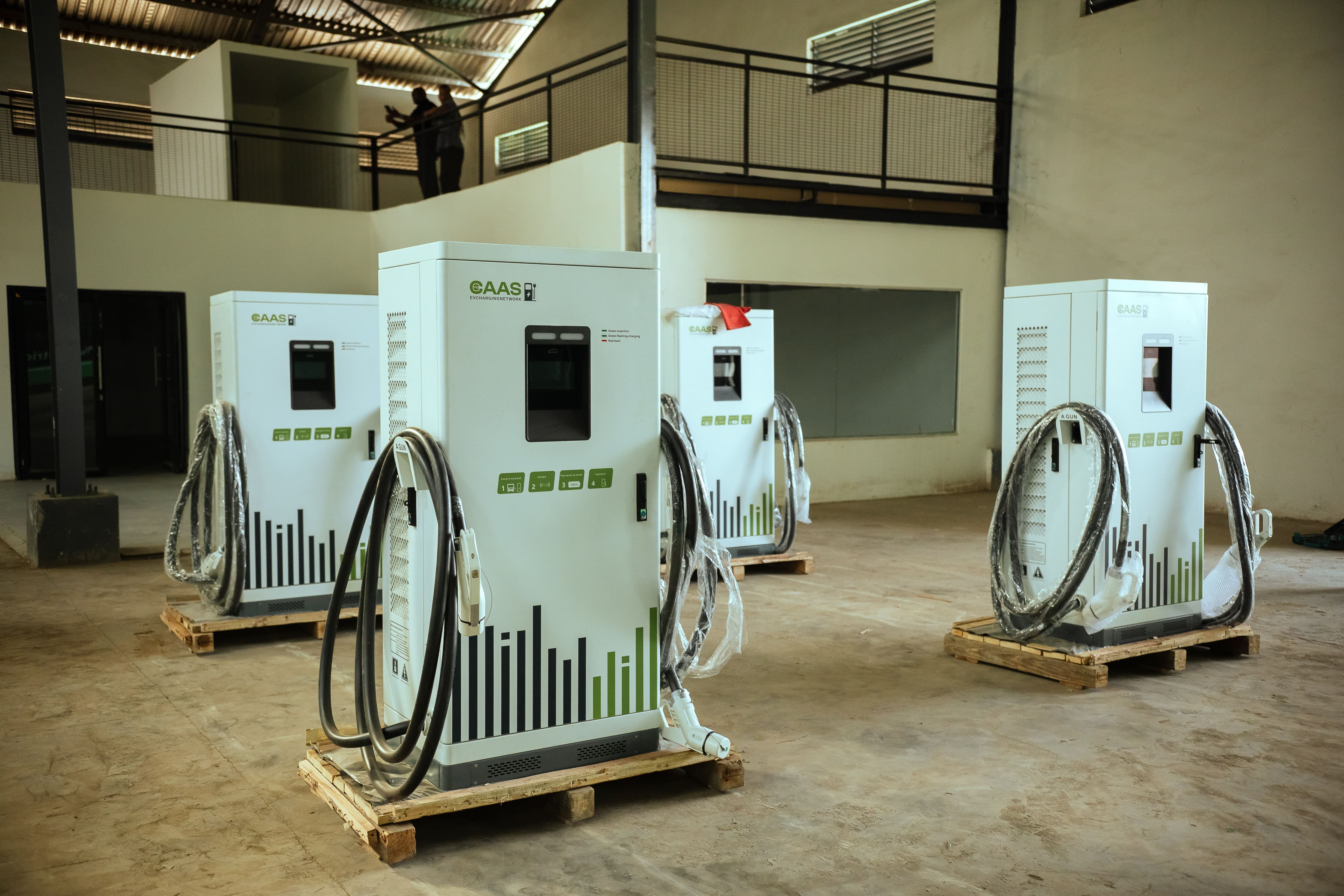
NEV says it is deploying fast chargers alongside its vehicles. In 2025, Olaosebikan said the company was deploying 160kW chargers across Abuja and Lagos to support its bus operations. Its current website also says that it has more than 120 charging stations nationwide and describes some of its infrastructure as solar-powered. The figures come from NEV and have not been independently verified in the sources reviewed.
Reuters reported in August 2026 that the country was accelerating electric vehicle adoption through government incentives, but that weak electricity supply and limited public charging remained major constraints. The report also noted that some companies are experimenting with solar, battery-swapping and hybrid approaches to work around the country's power limitations. The cost of putting the buses into operation is another consideration. Electric vehicles can require higher upfront capital even when their operating costs can be lower.
NEV has responded to this with a Pay-As-You-Drive financing model. The model, according to them, is intended to allow transport operators and government agencies to access these buses without carrying the full upfront cost. The payment structure includes the vehicle, charging, maintenance and battery.
Where NEV Fits in
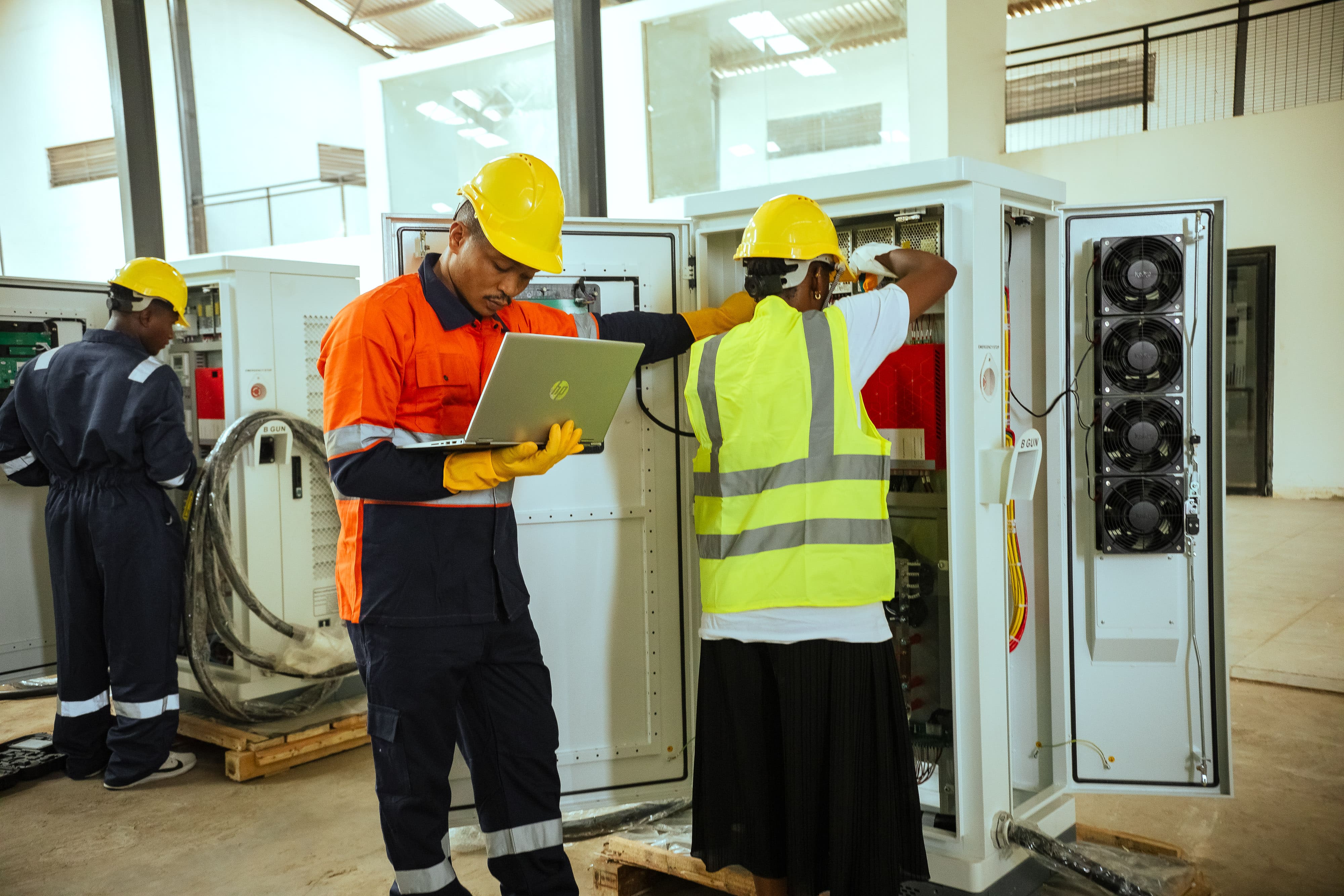
Building the vehicles also means building the skills to support them. NEV says it is training Nigerian engineers and technicians in electric vehicle assembly, maintenance and conversion. That becomes important because local production also creates a need for people who can diagnose systems and maintain the vehicles.

Source: NEV Electric
NEV can build the buses and develop some of the infrastructure they require, but many parts of the industry still depend on other companies and institutions. Other parts of the industry, battery production, electricity infrastructure, financing and local suppliers will have to develop beyond NEV. For now, Nigeria's electric vehicle industry combines local assembly and sourcing with imported technology. How much of that supply chain can eventually be developed locally will depend on how production grows.